
264 · case1976 · Dogon country
Dogon and Sirius B
The Dogon, Sirius B and the Nommo ancient-astronaut thesis
The account
1976 (The Sirius Mystery published). Dogon country, Mali.
In 1950 the French anthropologists Marcel Griaule and Germaine Dieterlen described a Dogon ceremony, the sigui, tied to Sirius (sigu tolo) and a companion star they called po tolo, which they identified with the white dwarf Sirius B. In The Sirius Mystery (1976) Robert K. G. Temple argued that the Dogon knew of Sirius B and its roughly fifty-year orbit because amphibious beings, the Nommo, had visited from the Sirius system about 5,000 years ago; a 1998 second edition was subtitled New Scientific Evidence of Alien Contact 5,000 Years Ago. Griaule and Dieterlen themselves did not explain how the Dogon came by the idea and made no claim about its age.
The record
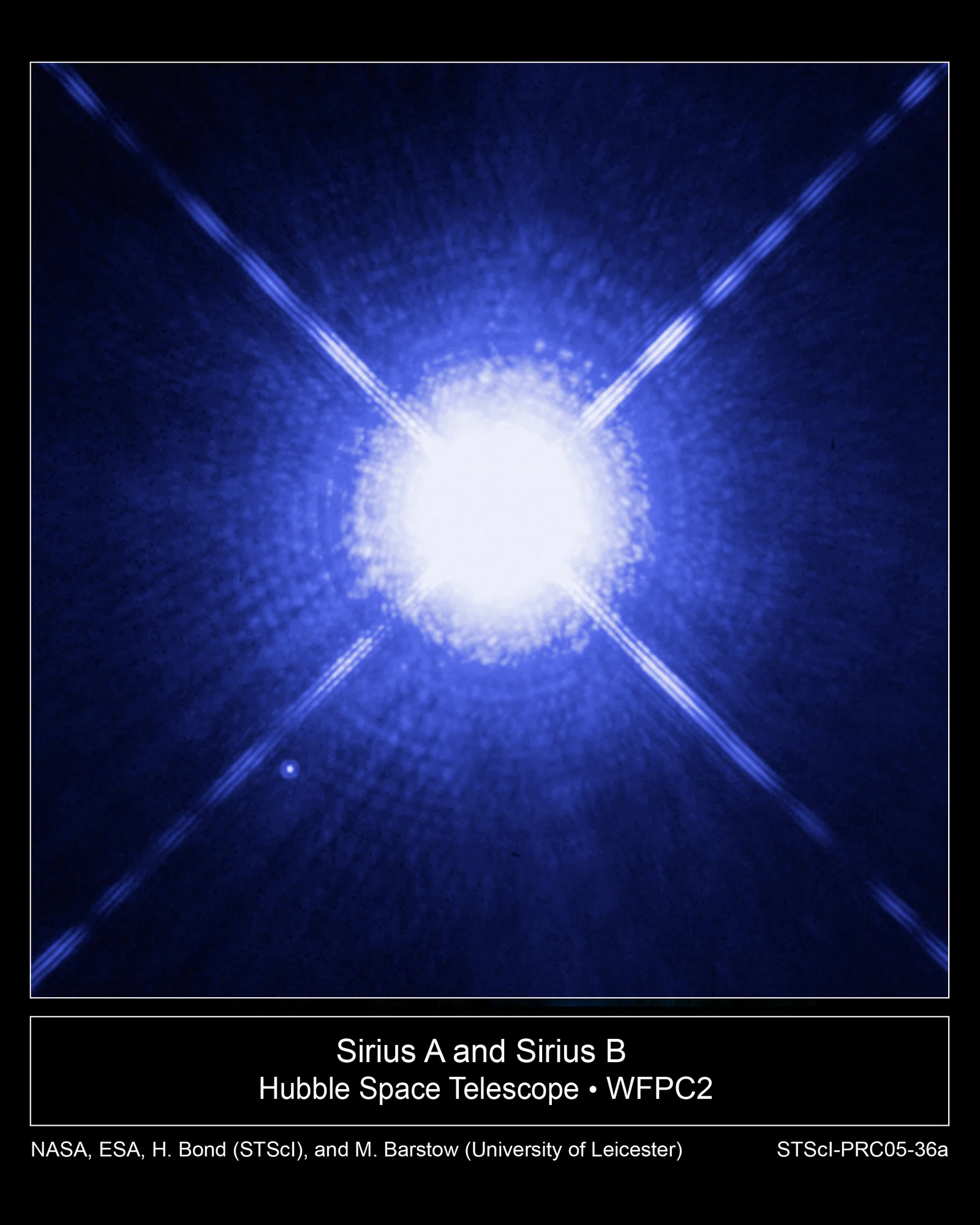
The record is the Griaule and Dieterlen ethnography, Temple's book, and a later field restudy by Walter van Beek published in Current Anthropology (1991; Skeptic's Dictionary gives 1992), with replies from Geneviève Calame-Griaule and Luc de Heusch. The astronomy is independent: Hubble imaging in 2005 resolved Sirius B beside Sirius A.
Still pending
The 1950 paper and van Beek's restudy were seen only through summaries; the exact volume of van Beek's article is cited inconsistently (32 or 12). Whether European astronomy reached Griaule's informants before 1950 has not been documented in sources opened.